The LinkyThinks Blog
Tips, ideas and strategies to help your child at home, at school and beyond.
Join the LinkyThinks Parent Guidance WhatsApp group using this link here 👈

Can TV help your child become a better writer?
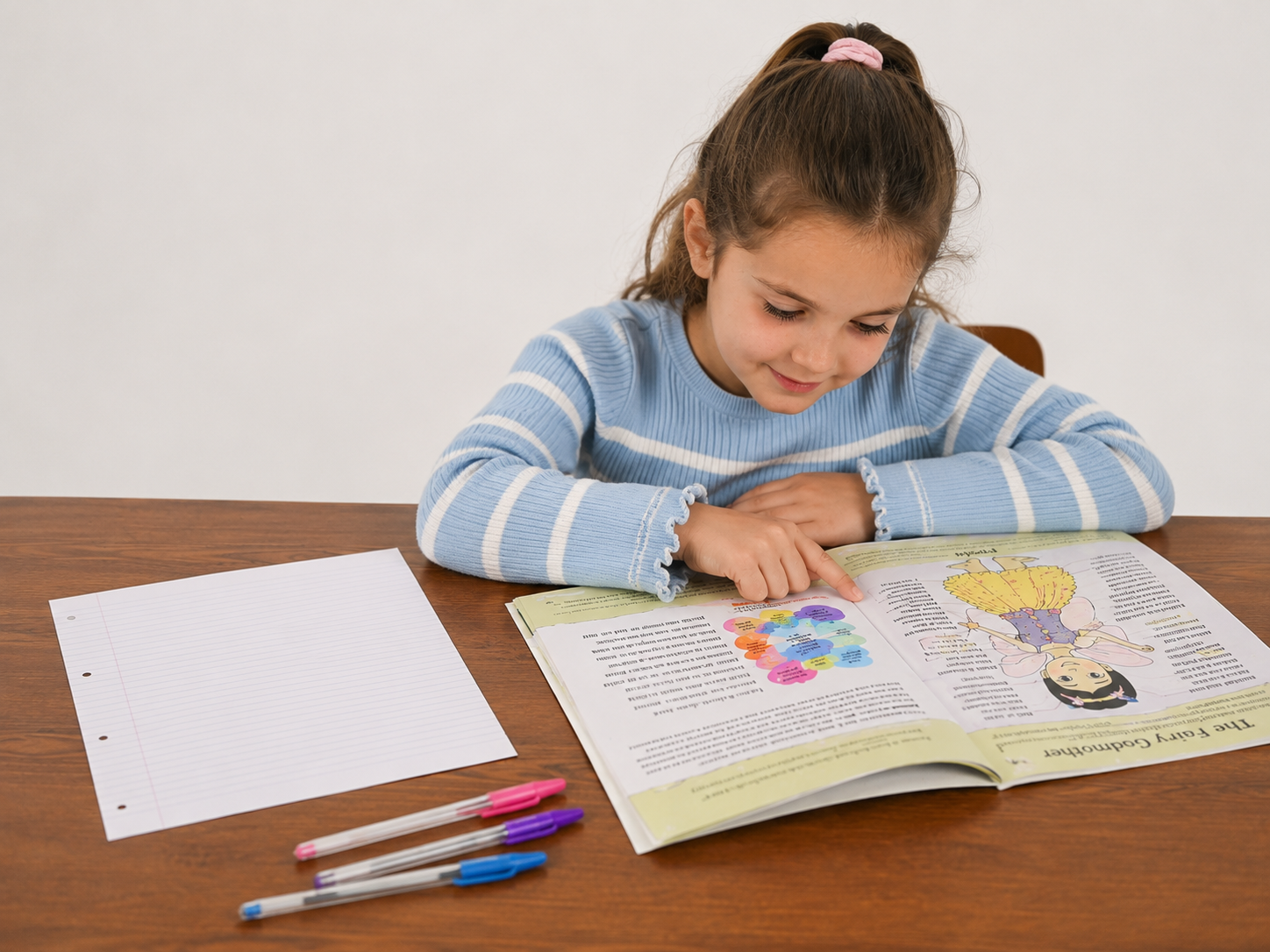
We all know reading matters.
It helps children build vocabulary, follow stories, absorb sentence patterns and become stronger at comprehension.
But what about TV?
Historically, TV gets treated or perceived as the enemy of learning.
Too much screen time. Too much noise. Too much staring into the middle distance with anxiety attack-inducing music and sound-effects.
And yes, if a child is just sitting there for hours with no thought, no conversation and no engagement, it’s probably not doing much for their English, or communication skills.
But TV itself isn’t always the problem, it’s what happens around it.
Used properly, TV can be a brilliant prompt for creative writing, inference and storytelling.
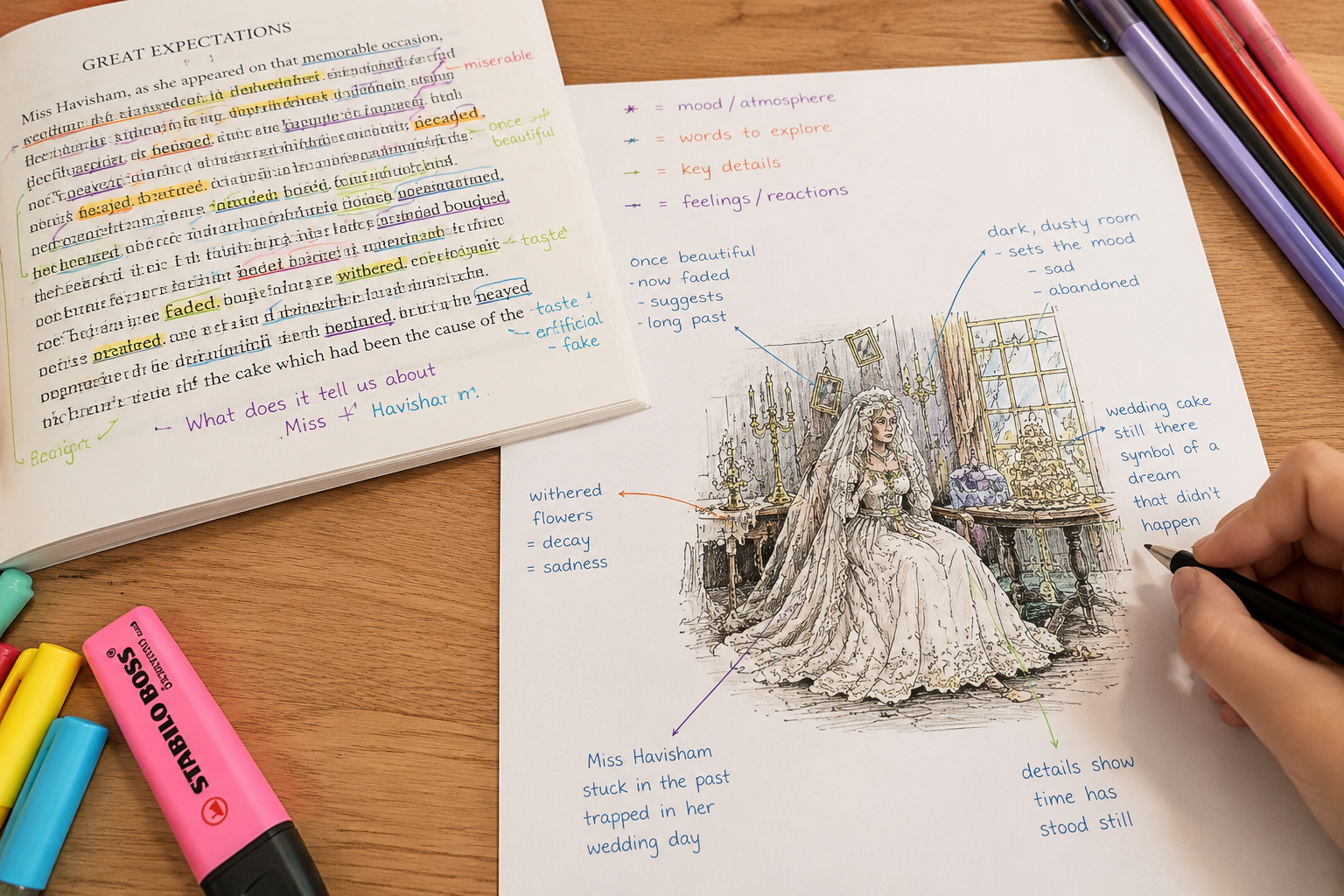
How to help your child understand classic literature
Engaging with classic literature can be hard work for a child.
Not because they aren’t clever enough to understand it, or because the stories are too old, or so dated they don’t make any sense.
It’s often because the language gets in the way.
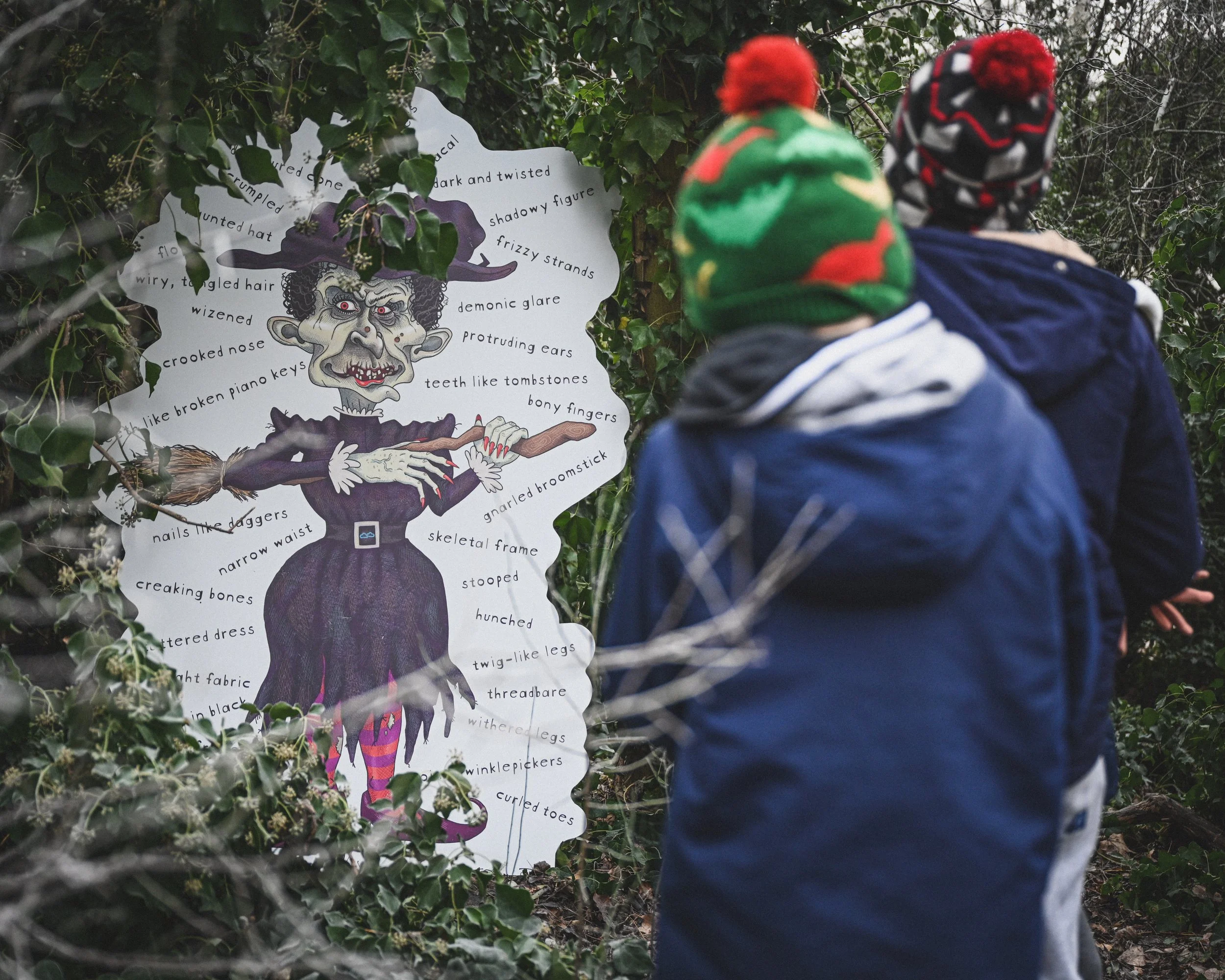
Old-fashioned references. Archaic vocabulary. Long, winding sentences that seem to go on forever. Dense descriptions that can turn a young reader off, before the story has even had a chance to begin.
Why success in English Is all about balance
When children struggle in English, it’s rarely because they lack ideas.
More often, it’s because those ideas are out of balance.
Success in English depends on proportion. On knowing how much of something to include, where to place it and how to blend it properly.
The words you use shape the world you see
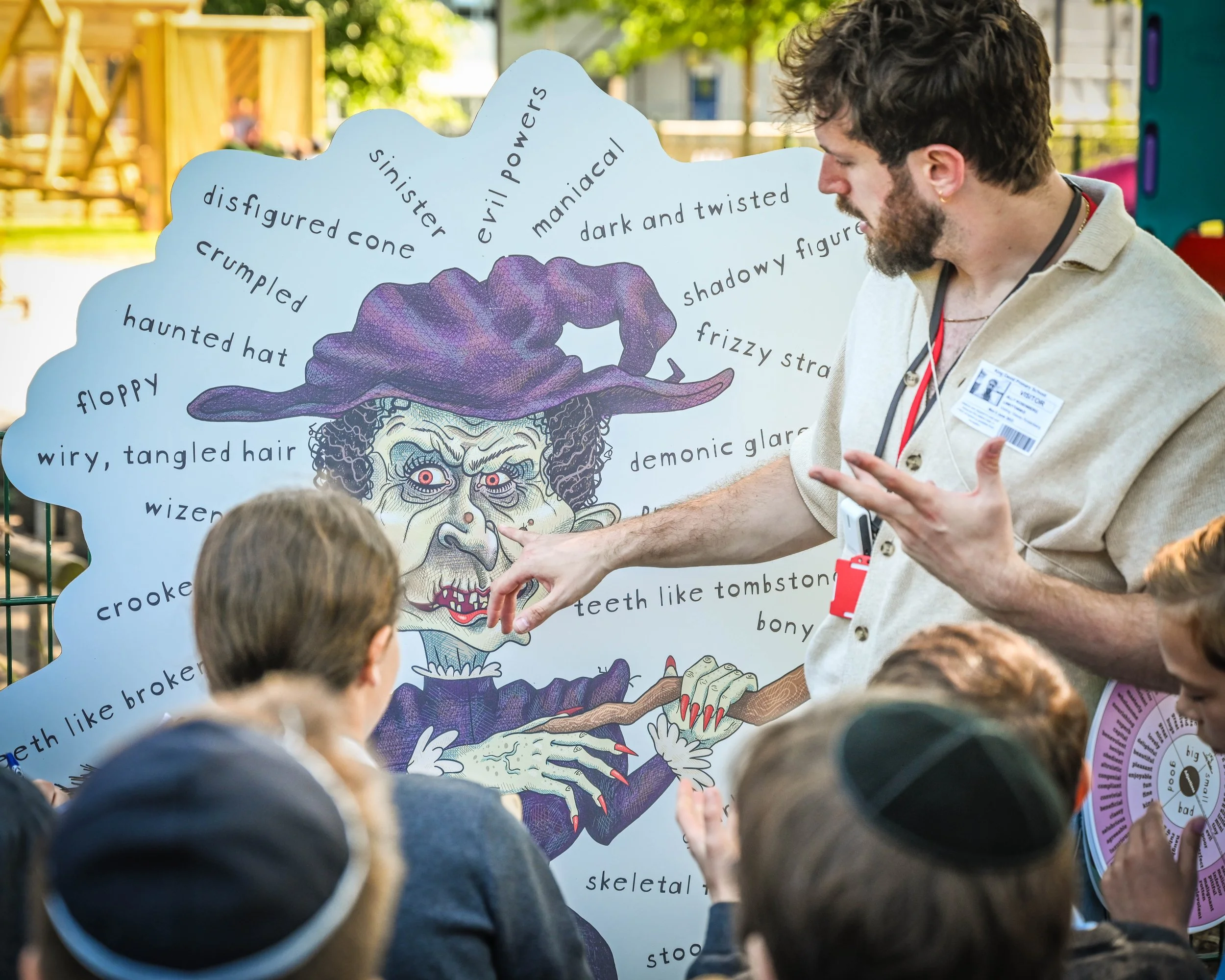
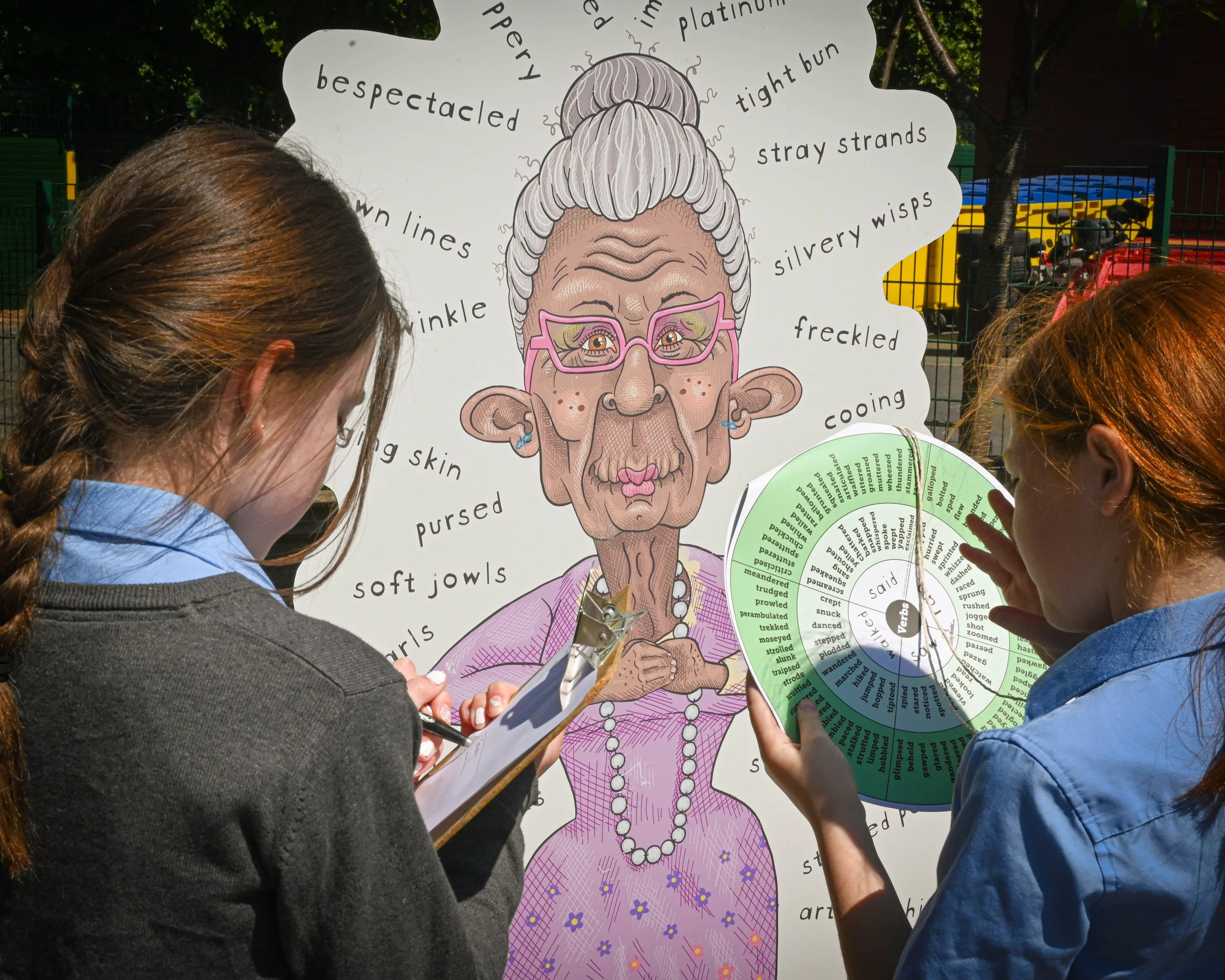
Vocabulary isn’t just about sounding clever in an exam.
It shapes how we experience the world.
The words we choose don’t simply describe what’s happening around us. They influence how we interpret it. This idea is known as linguistic framing.
And it has far-reaching effects…
One tiny word that causes big Comprehension problems
There’s one small word that regularly trips children up in comprehension.
It’s not a long, complicated word.
It’s why.
When we see why in a question, we know it means: give a reason.
But many children don’t actually answer the reason. They answer something else.
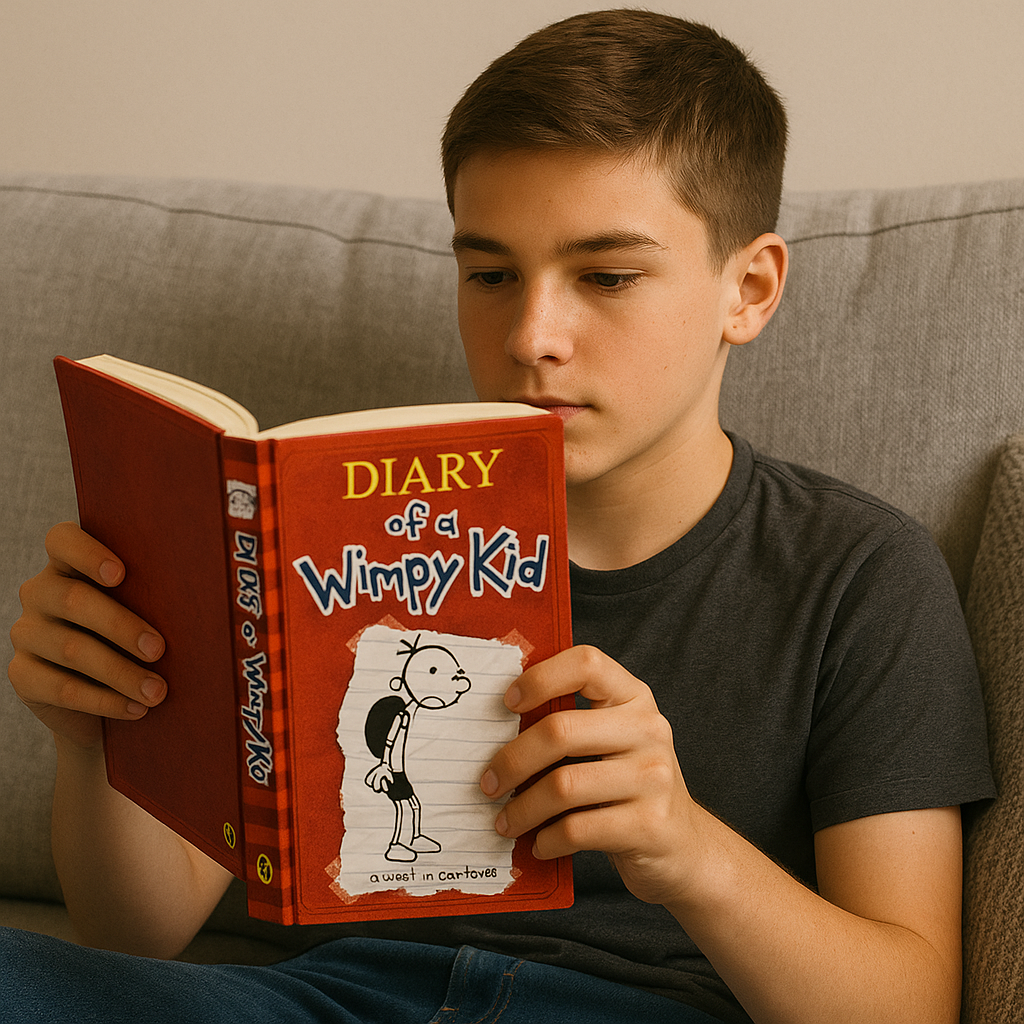
Should your child be reading ‘Diary of a Wimpy Kid’?
One of the questions I get asked most often by parents is along the lines of, “My child only wants to read Diary of a Wimpy Kid (or Dogman/Dork Diaries/Tom Gates). How do I help them read something more challenging?”
This is a really common concern and it comes from such a good place: wanting your child to stretch their vocabulary, deepen their comprehension and transfer these skills into their writing. But here’s the thing: those seemingly ‘easy’ books absolutely do have a place on your child’s bookshelf (and it’s often a more important place than you might think).
Building inference skills for comprehension
Inference is something we get asked about this a lot and parents often tell me they’re unsure how to help their child ‘get the hidden meaning’ in a text. They notice that comprehension questions asking for subtle understanding seem to throw them off.
Here’s the thing: inference is everywhere. We’re all making inferences, all the time, on a daily basis. Inference is not just a reading skill, it’s a thinking skill. This means there are loads of things you can do outside of reading to help your child.