
The LinkyThinks Blog
Tips, ideas and strategies to help your child at home, at school and beyond.
Join the LinkyThinks Parent Guidance WhatsApp group using this link here 👈

Why punctuation problems can become comprehension problems
Punctuation affects more than writing. Helping children hear commas, full stops and question marks can improve reading, rhythm and comprehension.
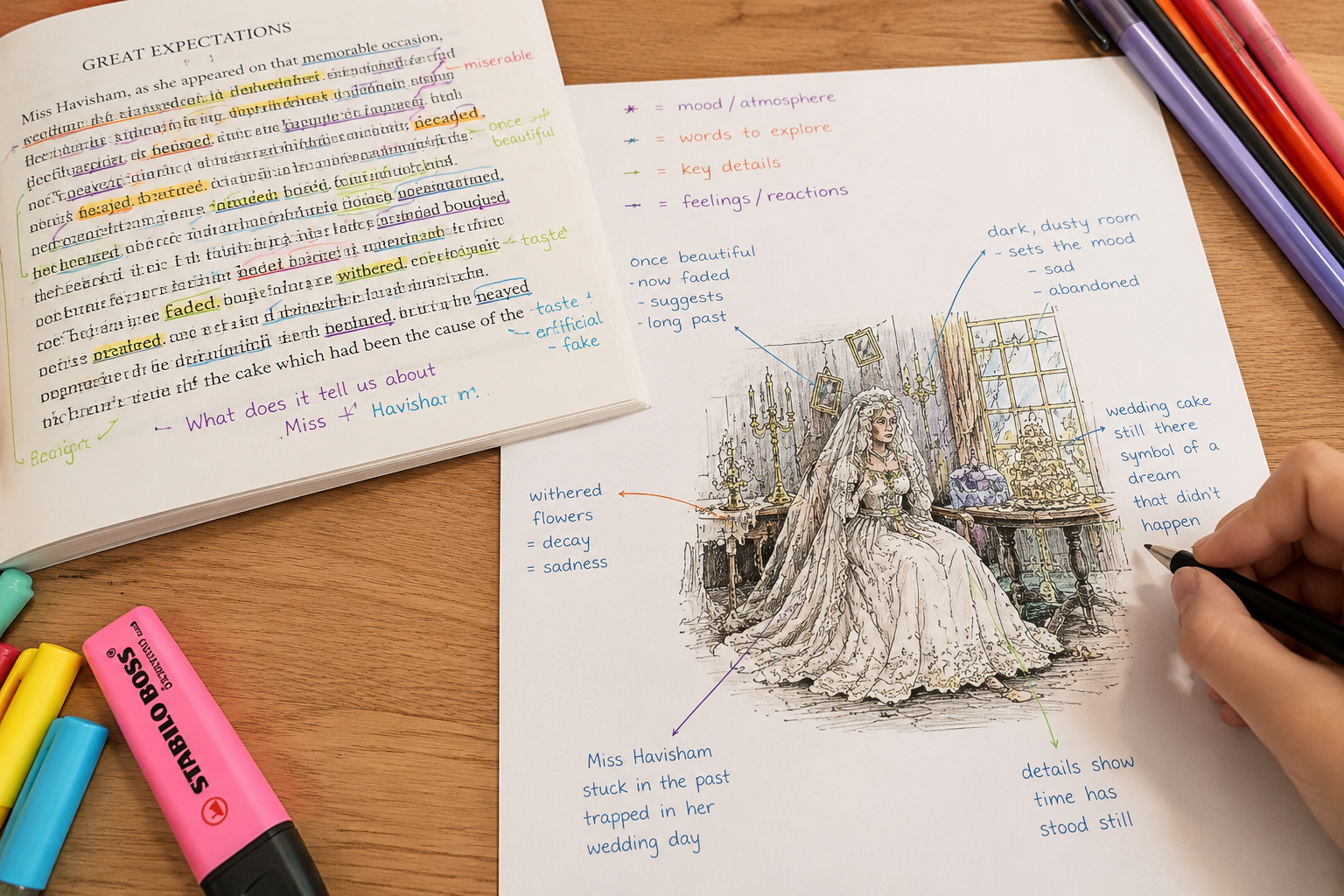
How to help your child understand classic literature
A practical way to break down difficult classic texts and help children visualise what they’re reading.

One tiny word that causes big Comprehension problems
The word “why” often trips children up in comprehension. Here’s how to help them answer properly.

Building inference skills for comprehension
Inference is a thinking skill, not just a reading skill. Here’s how parents can build it at home.

How to help a reluctant reader: Six Smart Tips for Parents
Six practical ways to make reading feel easier, more personal and less of a battle.