
The LinkyThinks Blog
Tips, ideas and strategies to help your child at home, at school and beyond.
Join the LinkyThinks Parent Guidance WhatsApp group using this link here 👈

The problem with flashcards for vocabulary
Flashcards can be useful.
They’re good for introducing new words in a manageable way. They’re good for testing whether a child recognises a definition.
But here’s the issue.
The real learning doesn’t happen at either of those points.
It happens in between.

Are reasoning skills really ‘innate’, or can children improve them?
Verbal and non-verbal reasoning tests were originally designed to measure what psychologists called fluid intelligence. The idea was that these tests assessed something fixed. An innate ability. A kind of built-in mental capacity that couldn’t really be taught.
If that were true, preparation would be pointless.
But it isn’t strictly true.

Why success in English Is all about balance
When children struggle in English, it’s rarely because they lack ideas.
More often, it’s because those ideas are out of balance.
Success in English depends on proportion. On knowing how much of something to include, where to place it and how to blend it properly.

Want to improve your child’s writing? Start with speaking
If you want your child to become a better writer, one of the most effective places to start is with speaking.
That might sound surprising.
But strong speaking and strong writing are deeply connected.
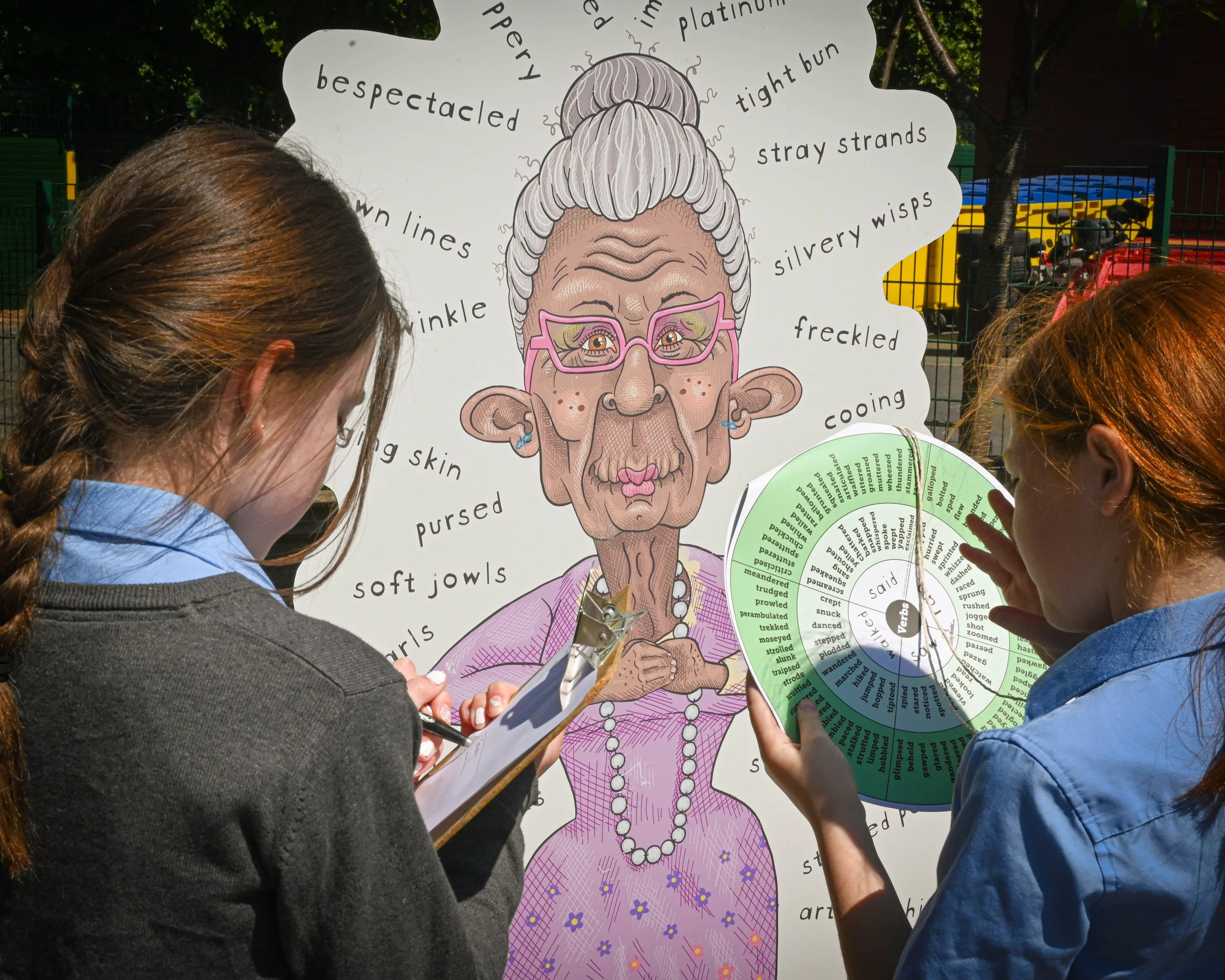
The words you use shape the world you see
Vocabulary isn’t just about sounding clever in an exam.
It shapes how we experience the world.
The words we choose don’t simply describe what’s happening around us. They influence how we interpret it. This idea is known as linguistic framing.
And it has far-reaching effects…

A small grammar detail makes a big difference
If two words are going to be synonyms or antonyms, they must be the same word type.
It sounds obvious when you say it out loud. In a timed test, though, it’s one of the easiest traps to fall into.

Exams don’t test what you know. They test your ability to communicate what you know.
There’s a common misunderstanding about exams.
People say exams test your knowledge.
They don’t. Not really.
Exams are not mind-reading machines. They cannot see what you understand or what you’ve memorised. They can only assess how well you communicate your understanding or knowledge.
And that difference matters.

One tiny word that causes big Comprehension problems
There’s one small word that regularly trips children up in comprehension.
It’s not a long, complicated word.
It’s why.
When we see why in a question, we know it means: give a reason.
But many children don’t actually answer the reason. They answer something else.

Try getting it wrong, to help them get it right
Here’s a counterintuitive idea.
If you want to help your child learn something new, even if you don’t feel confident in the subject yourself, one of the most effective things you can do is model the wrong way to do it.
Yes, deliberately get it wrong.
It sounds strange. It works remarkably well.

The Verbal Reasoning trap
When it comes to verbal reasoning, there’s one mistake we see again and again.
Children understand what a synonym is. Ask them and they’ll often tell you correctly: two words with the same meaning.
But in the pressure of a reasoning task, something subtle happens. They stop looking for meaning and start looking for connection.
And that’s where they fall into the trap of associated words.

How to slow down the child who rushes
Do you have a child who always seems to be in a hurry? Whether it’s finishing homework, racing through piano practice or rushing around the playground, some children seem to function at full speed all the time. While enthusiasm and energy are wonderful traits, rushing can often mean mistakes, missed details or frustration. Often, children rush because they want to get something over with. You might see it when they immediately put their pen down the second they finish the last sum on the page or when they write that final full stop and call out, “Done!” before really checking their work.

Revision: the myths, debunked
When it comes to studying, advice is everywhere and not all of it is helpful. From well-meaning teachers to exhausted older siblings, there’s no shortage of tips about how to revise. Often, however, these tips are based on outdated habits, not how learning actually works. In this blog, I’m going to break down some common revision myths and offer smarter, more effective alternatives.
No two learners are exactly alike. The key is to find what works for you and build revision strategies that feel manageable.
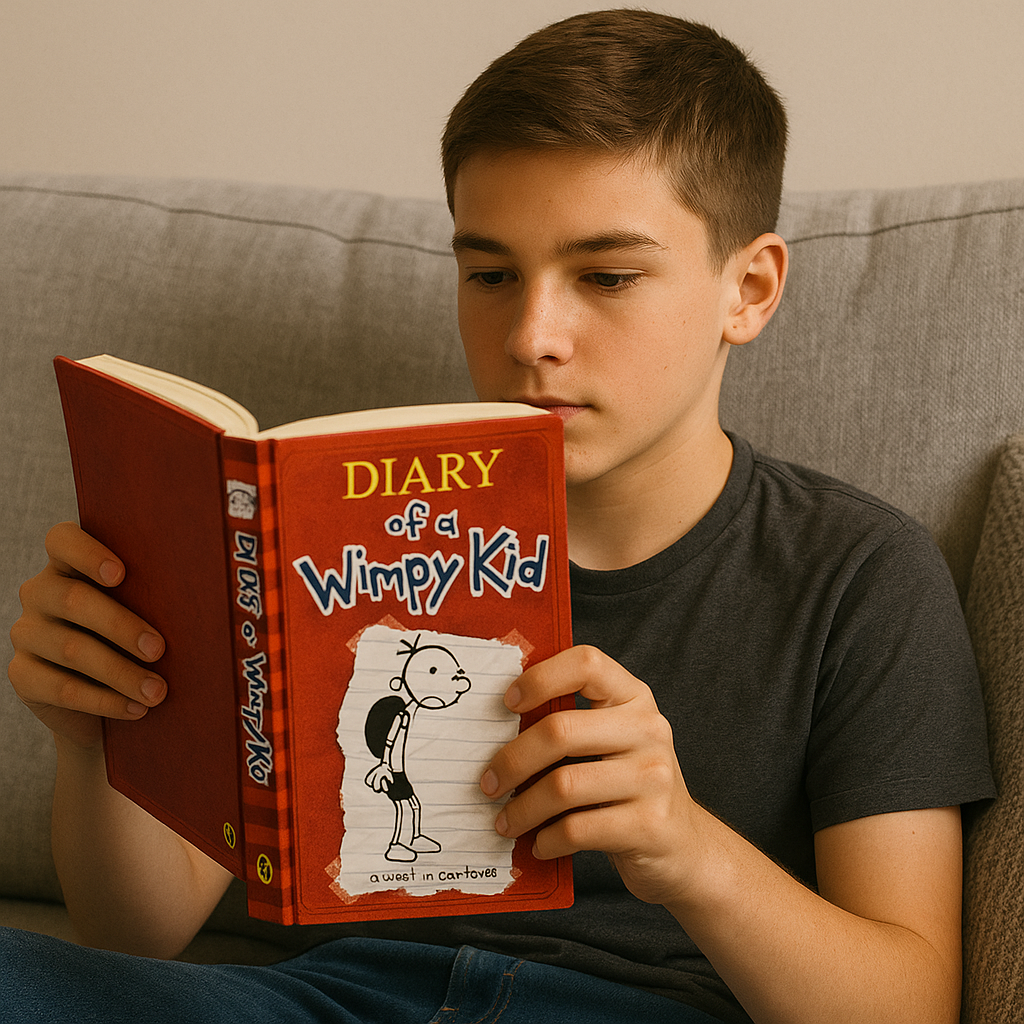
Should your child be reading ‘Diary of a Wimpy Kid’?
One of the questions I get asked most often by parents is along the lines of, “My child only wants to read Diary of a Wimpy Kid (or Dogman/Dork Diaries/Tom Gates). How do I help them read something more challenging?”
This is a really common concern and it comes from such a good place: wanting your child to stretch their vocabulary, deepen their comprehension and transfer these skills into their writing. But here’s the thing: those seemingly ‘easy’ books absolutely do have a place on your child’s bookshelf (and it’s often a more important place than you might think).
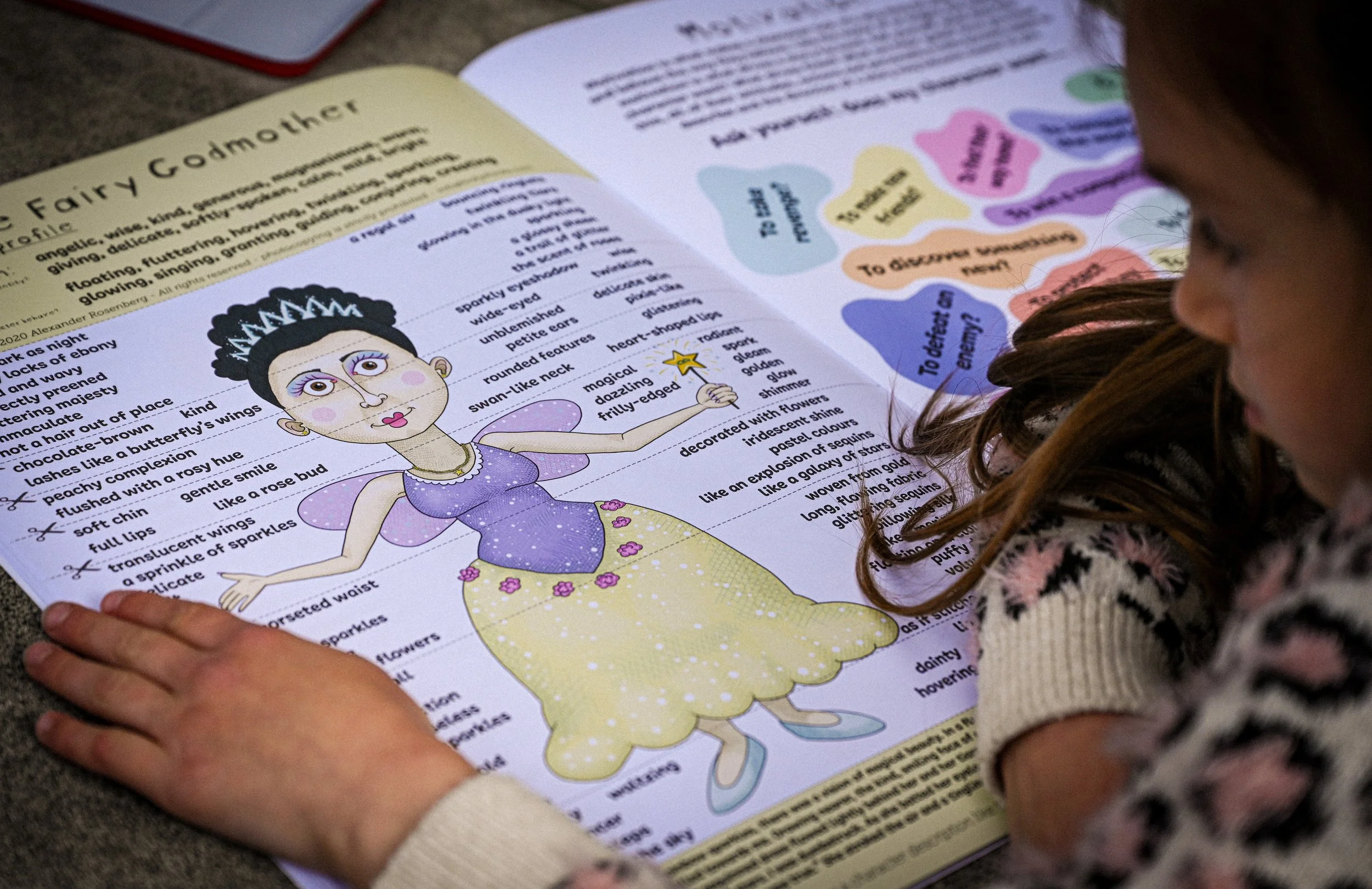
What are 11+ creative writing examiners really looking for?
Creative writing is, by nature, subjective. So how do examiners mark it in an objective way? How can something as personal and imaginative as storytelling be measured with scores and checklists? It’s a challenge that often leaves both parents and children asking: “What exactly are they looking for?” or “What can make my story stand out over someone else’s?”

Building inference skills for comprehension
Inference is something we get asked about this a lot and parents often tell me they’re unsure how to help their child ‘get the hidden meaning’ in a text. They notice that comprehension questions asking for subtle understanding seem to throw them off.
Here’s the thing: inference is everywhere. We’re all making inferences, all the time, on a daily basis. Inference is not just a reading skill, it’s a thinking skill. This means there are loads of things you can do outside of reading to help your child.

How to help your child with creative writing (when you’re not confident with creative writing yourself)
Supporting your child with creative writing can feel intimidating, especially if it’s not something you naturally enjoy yourself or feel you’re good at. There can be doubt over where to start or worry you won’t ‘do it right’.
The truth is, you don’t have to be a great writer to help your child become one.
Some of the most effective ways you can support your child have nothing to do with your own writing skills. It’s about encouragement, exposure to different ideas and building their confidence through practice.

Strategy over speed: Helping your child manage their time
We often praise speed - quick finishers, fast readers, rapid problem solvers - but what if we started focusing on strategy instead? The best thinking isn’t about going faster, but going ‘better’. This starts with helping children develop time management as a skill, rather than a race. Time can feel abstract for many children. Without the right tools, they may rush through tasks, peak halfway or feel overwhelmed before they even begin.